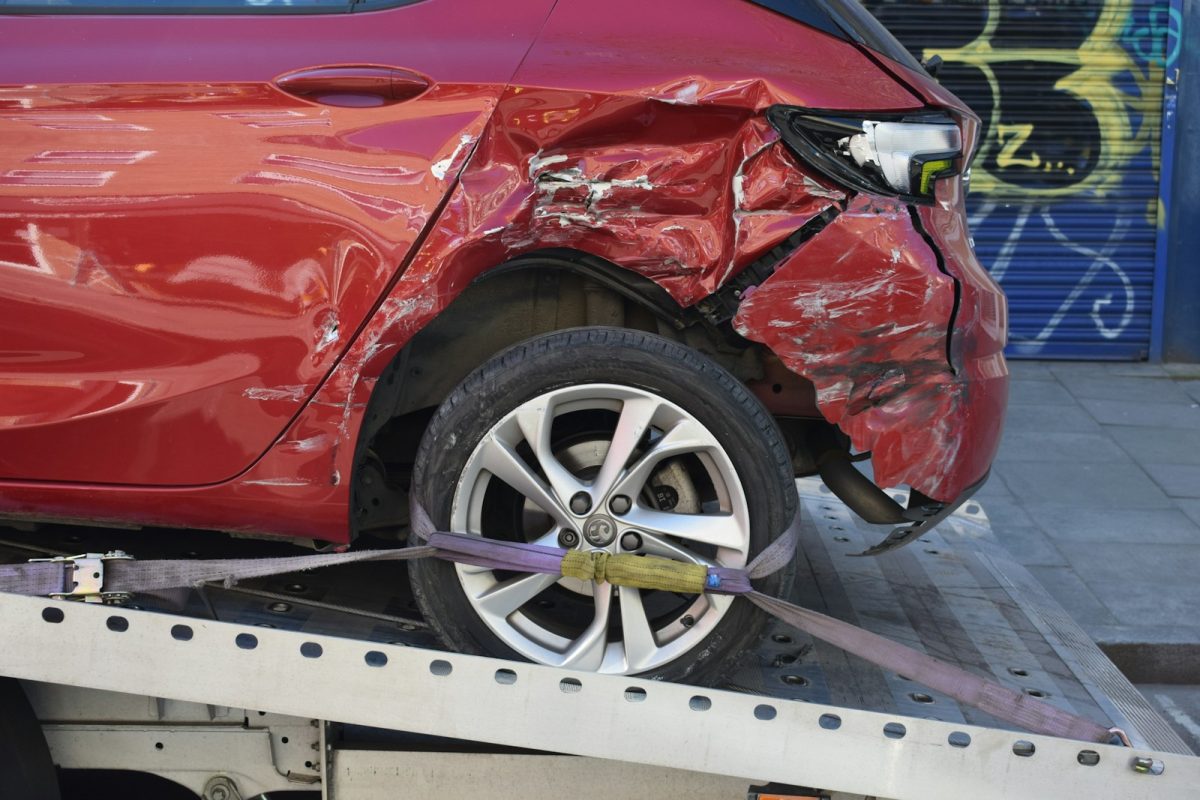
Three numbers on your policy decide how much your insurer pays if you cause a crash. Anything above them could come from you.
Key facts
- Liability limits are often written as three numbers, such as 25/50/25, in thousands of dollars.
- The first two cover injuries per person and per accident; the third covers property damage.
- If damages exceed your limits, you can be held personally responsible for the rest.
- Many drivers choose limits well above the state minimum, sometimes with an umbrella policy.
Liability coverage pays for harm you cause to other people. The limits on your policy cap what the insurer will pay.
Reading the numbers
A policy listed as 25/50/25 means:
| Number | Covers | Amount |
|---|---|---|
| First | Bodily injury per person | $25,000 |
| Second | Bodily injury per accident | $50,000 |
| Third | Property damage per accident | $25,000 |
Some policies use a single combined limit instead, covering injuries and property together up to one amount.
Why minimums can fall short
State minimums are set to keep drivers legal, not to protect their savings. A serious crash can involve medical bills, lost wages and damage to newer vehicles that exceed low limits quickly. If the costs go above your limits, the injured party can seek the difference from you.
Risk to know
If you’re found responsible for damages above your policy limits, you could face a lawsuit that targets your savings, home equity or future wages, depending on your state’s laws.
Choosing your limits
- Add up what you’d want to protect: savings, home equity and income.
- Get quotes at several levels, such as the minimum and two higher options.
- Consider an umbrella policy if your assets are substantial.
Smart tip
Ask your insurer for the price difference between the minimum and much higher limits. The extra premium is often modest compared with the added protection.
Fitting limits into your coverage
Liability is the core of your policy, but it doesn’t cover your own car. Our guide to car insurance coverage types explains collision, comprehensive and the rest, and what affects your rates can help you balance higher limits with a manageable premium.
Questions we hear
How much liability coverage should I have?
Enough to protect your assets and future income. People with savings or a home often choose much higher limits than the state minimum.
What is an umbrella policy?
Extra liability coverage that sits above your car and home policies. It typically requires certain minimum underlying limits.
Do higher limits cost much more?
Often less than people expect. Ask for quotes at several limit levels to see the difference.
This guide is general information, not insurance or legal advice. Coverage, prices and rules vary by insurer and by state, so read your policy documents and check with your insurer, a licensed agent or your state’s department of insurance before you decide.